Collections review, digitized records and climate control all in the upgrade
The Greenwood Military Aviation Museum (GMAM)’s accessioning and collection management has come a long way since the museum first opened to the public in 1995, in the former Greenwood base library, known today as the VP International (VPI) headquarters.
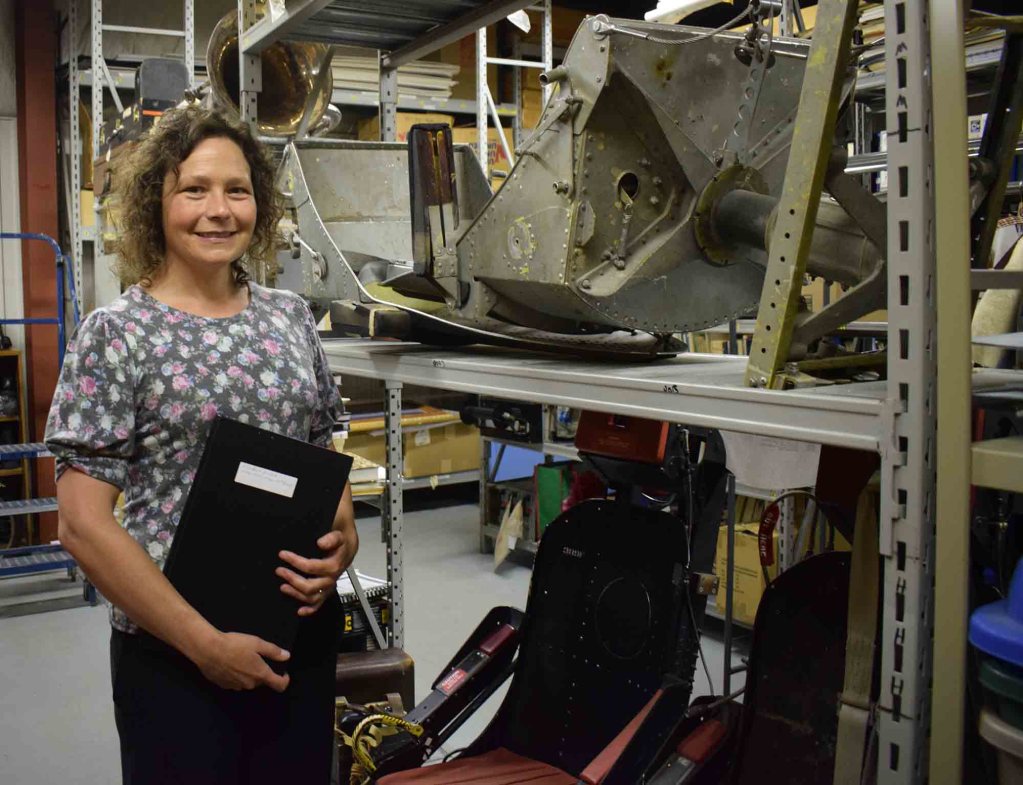
This year, 30 years later, with the help of its new collections manager, Jennifer Ross, and a $125,000 grant from the Directorate of History and Heritage’s Museum Development Funds; the GMAM will undergo a major revamp of its storage facilities; a renovation that will help preserve the museum’s extensive collection of artefacts for future generations.
“During the early five-year period, little guidance and only occasional support was provided, and little collection was done, as there was no room to grow,” says original GMAM society volunteer board member Joan Patrick.
“When the museum moved to its current location in 1999, a part-time curator was hired, and he was responsible for artifact acceptance and control. He was the only staff member and used notebooks to record donations, which were often mislaid and sometimes duplicated.”
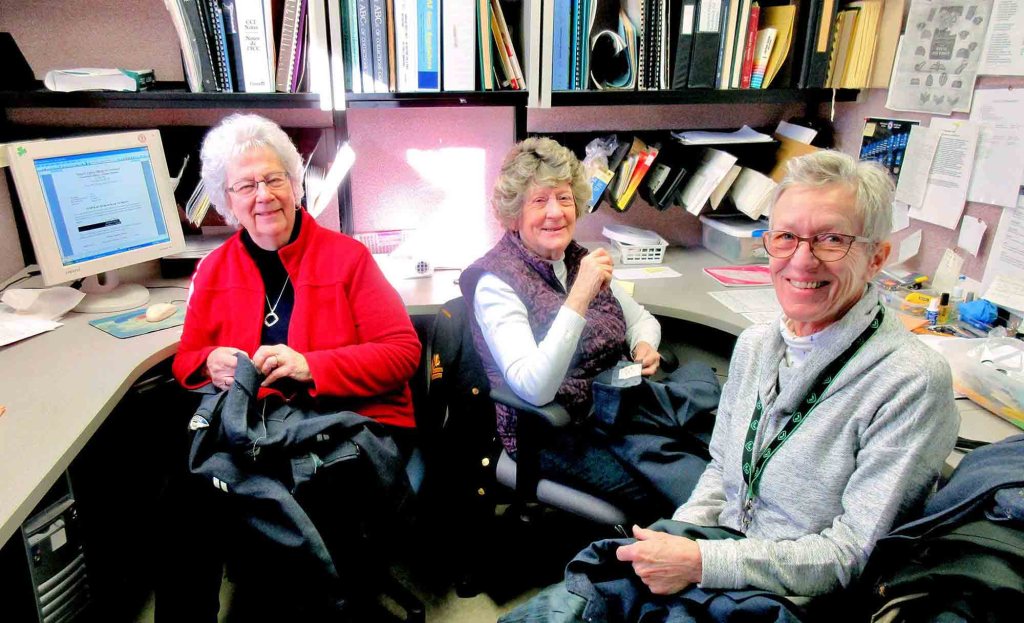
To resolve the issue, the GMAM Society created a position for artifact care and control, which grew into a dedicated three-member volunteer committee, including Patrick, which oversaw the museum’s artefact accessioning for almost two decades.
“Besides recording donations, the committee also prepared appreciation letters and donation title transfer documents for each donation, and attached identification tags to each item and stored them for easy access as required,” says Patrick, who volunteered alongside Mary Lou Graham and Gabrielle Gough.
Today, Ross is using the committee’s ledgers to conduct a full audit of the GMAM’s collection and determine the museum’s needs.
“The ledgers could actually be an artefact,” says GMAM general manager Captain Art Gogan, who plans to preserve one of the volumes once all the written records are digitized. Ross agrees.
“The collection room, walking into it – they did a wonderful job. Everything is where it should be, it’s labelled really well and their ledgers are wonderful: the penmanship is wonderful. You can tell that they had the love and passion for it.”
Ross is often joined by Patrick in the collection room.
“She’s still volunteering, bless her heart,” says Ross. “Joan and her husband, Ian – they’re integral to the museum. It’s a lot of heart, and a lot of buy-in, too; and a lot of passion to just stick with it. It’s really commendable.”
A military spouse herself, Ross has also been “sticking with” the air force artefact scene for the better part of her 20-year museum career, first as curator for the Cold Lake Air Force Museum, and then as operations manager at the Moose Jaw Museum and Art Gallery, before moving to the Valley with her family in 2024.
“I really like aviation museums because they have a wide variety of acquisitions. There’s always something to learn,” says Ross. “As an archaeologist, I always was fascinated by material culture, which is the day-to-day items that people use.”
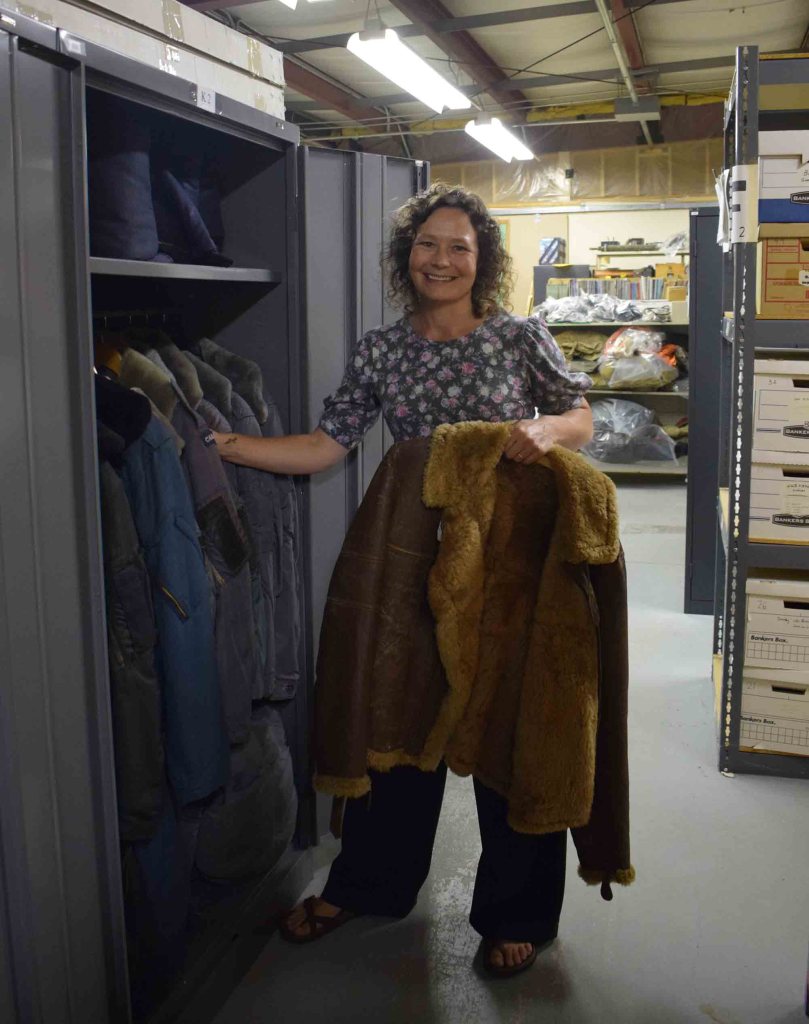
Royal Canadian Air Force (RCAF) museums carry a wide variety of material culture artefacts of all shapes and sizes, all with very specific storage and preservation needs. One of Ross’ tasks as part of the revamp is working with suppliers to recreate the collection space and design more adequate shelving.
“We’re talking mobile storage, so it will move on a track. It’ll also be tall, and we need various types of shelving to hold various types of items. We need big storage for ejection seats and engines, and we need tiny, tiny drawer storage for medals and ribbons and buttons,” says Ross.
The renovation also includes considerations such as upgrading the lighting to LED from fluorescent and controlling humidity fluctuations.
“We want to protect the collection against the big offenders: light, bugs, rodents, temperature, humidity and people,” says Ross. Humidity, the biggest offender on the East Coast, is a main consideration in the GMAM’s revamp
“We need to create a controlled environment because major fluctuations can cause mold to grow. It can cause infestations to arise and can make things like leather and metal degrade all that much sooner. When we accept an item as an artefact, it’s the responsibility of the museum to make sure it’s maintained in the condition that we receive it. We do that through conservation and preservation techniques, mainly within the building structure itself.”
With such a big responsibility to protect the material culture it acquires, the GMAM must be careful to only accept items that meet its mandate to capture, preserve and interpret Greenwood’s military history and heritage from its inception as an Operational Training Base within the British Commonwealth Air Training Plan. Items that don’t meet the GMAM’s mandate are relocated to more suitable homes, through a wide network of Canadian military museums. Items in line with the GMAM’s mandate are carefully logged into The Museum System, the GMAM’s new collections management database.
Even with a collection of approximately 10,000 artefacts, the GMAM continues to acquire new items to ensure the eventual historicization of 14 Wing’s current operations.
“As a person who’s been working with museums for 20 years, this museum is really forward-thinking. They’re looking to collect now for the future,” says Ross.
Museum donations are acquired from serving and veteran members, military families and even locals who contact the GMAM looking to preserve a piece of their community’s history.
“I think a good collection is one that has provenance,” says Ross. “Just being able to tell the story in a way that touches your visitors, or that they can react to, that’s really important. And it also needs a way of being exhibited so the public can see it, because a collection isn’t good in storage – a collection is meant to be seen.”
As an avid museum-goer herself, Ross invites anyone curious about what the GMAM has to offer to come visit, volunteer or even take a peek behind the scenes at the treasures housed in the collection room.
“This museum sees 23,000 visitors a year. There’s something here for everybody. There’s a lot of change that happens in the exhibits, and something I don’t think people realize about museums is, generally in my experience, you see 80 per cent of the collection in storage. What you see in the exhibit space is really only a small portion of what the museum has.”