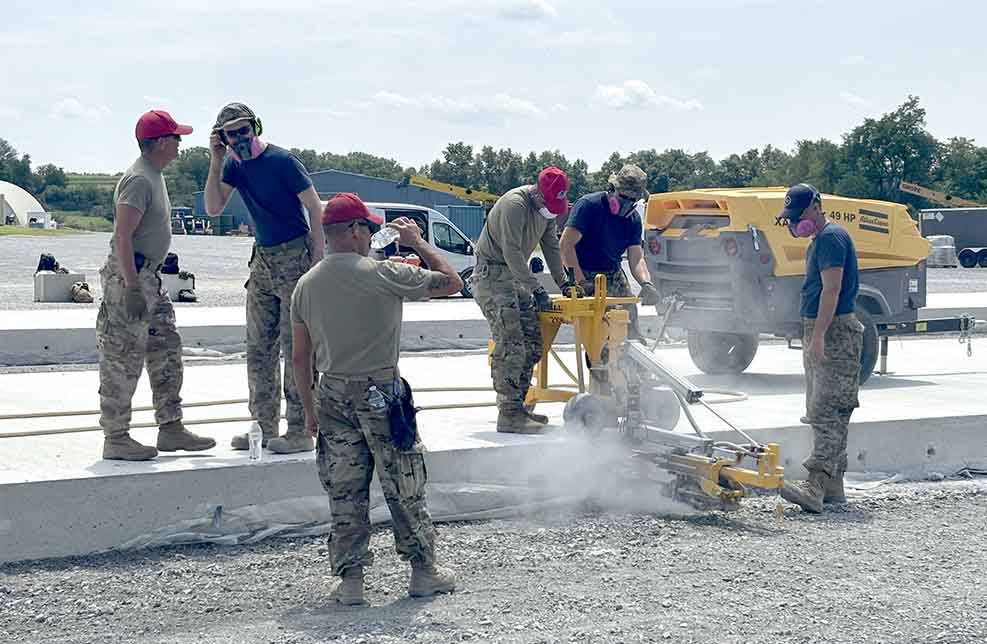
Members of 14 Construction Engineering Squadron (CES), supported by 14 Mission Support Squadron, 14 Wing Greenwood; participated in the Construction Engineer Project Exchange Program (CEPEP) July 14 to 26 at Fort Indiantown Gap in Annville, Pennsylvania.
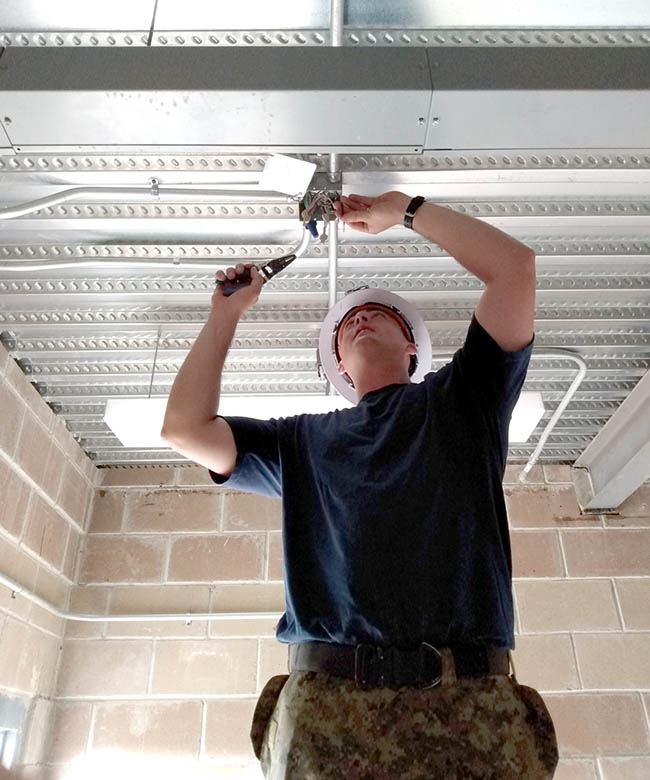
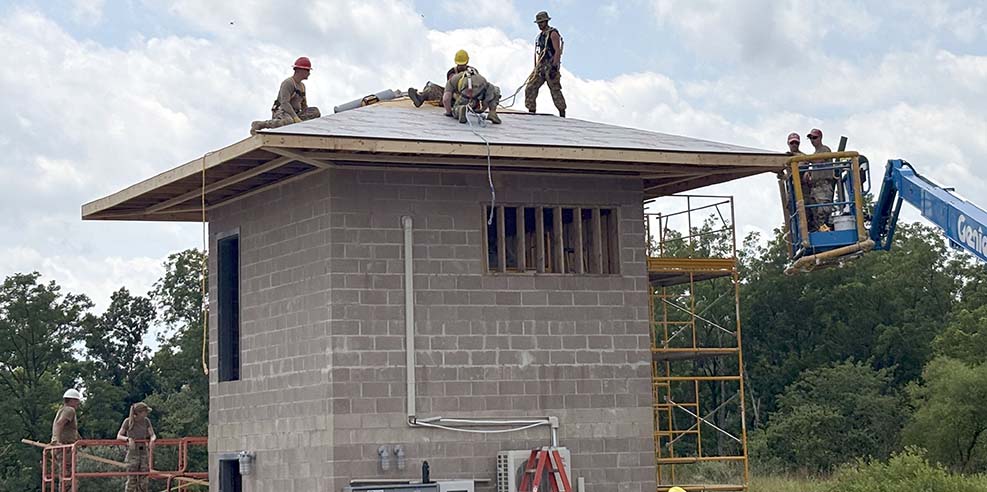
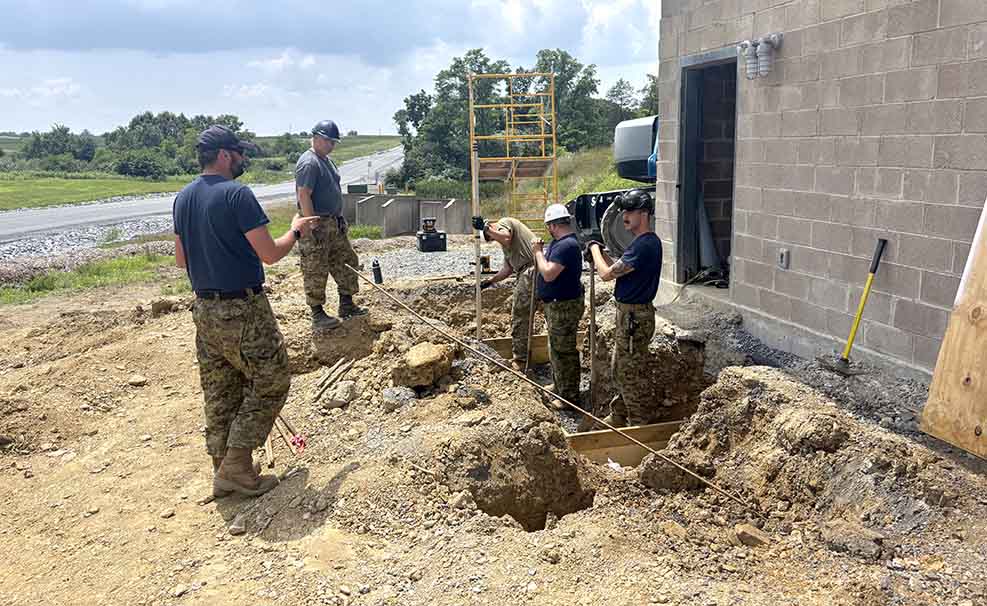
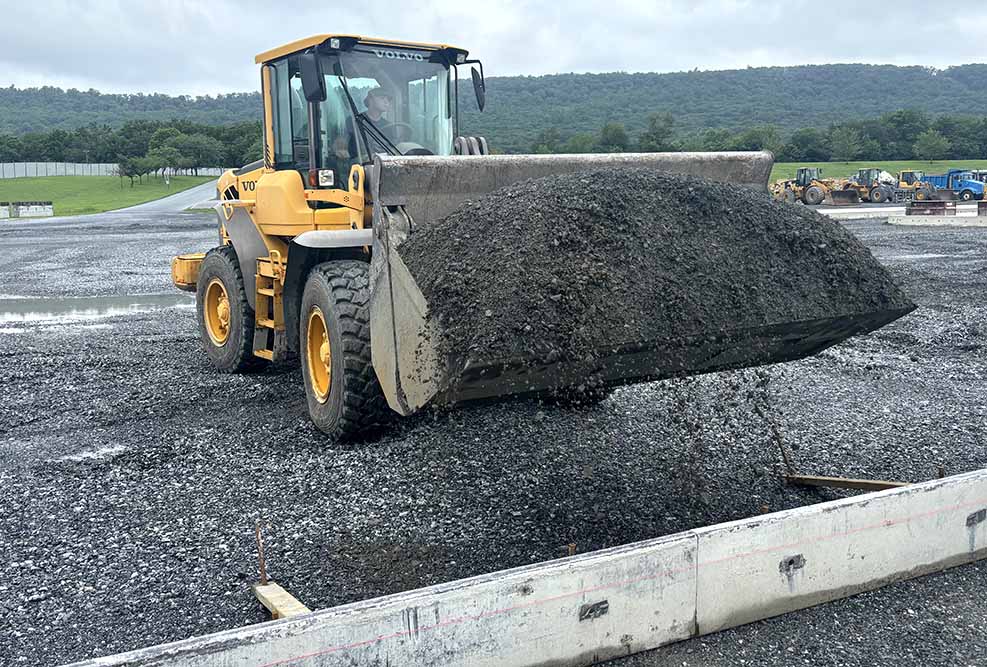
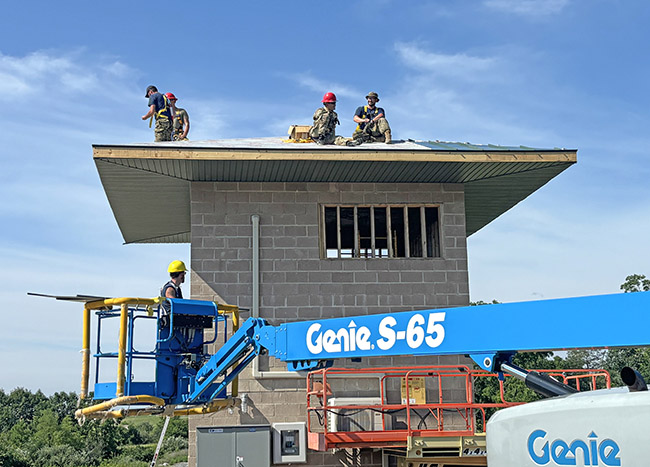
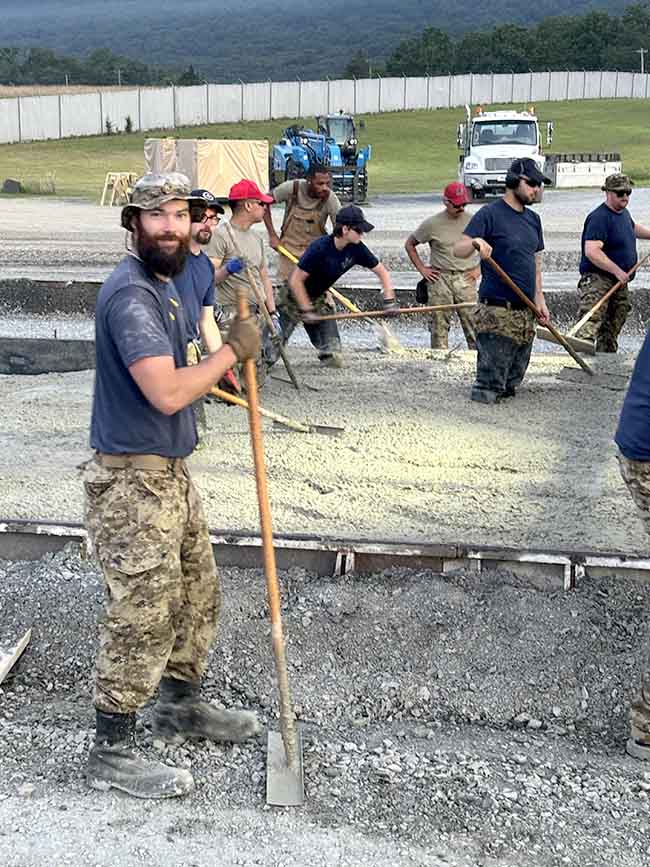
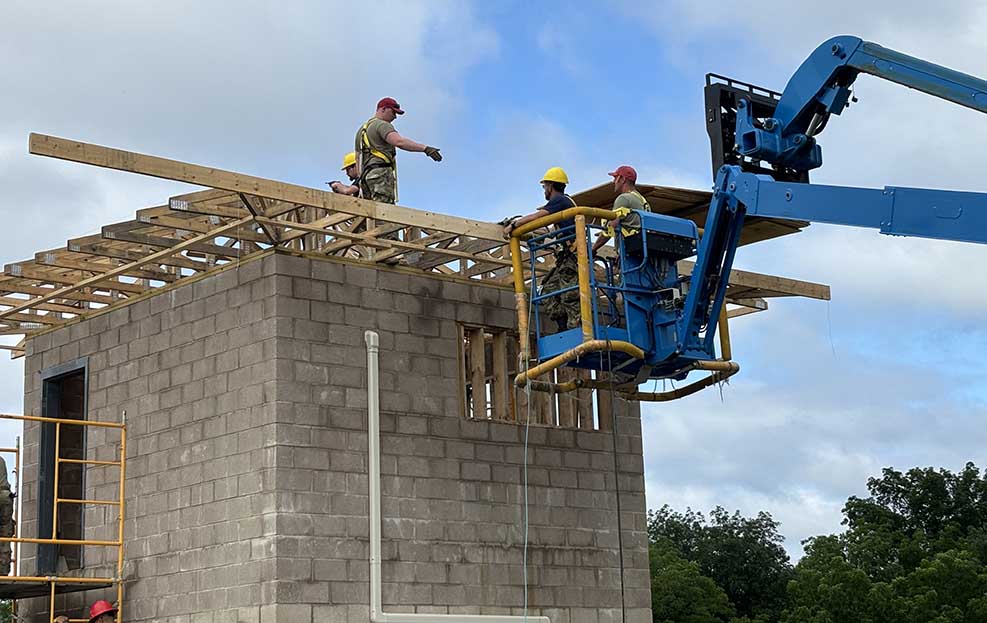
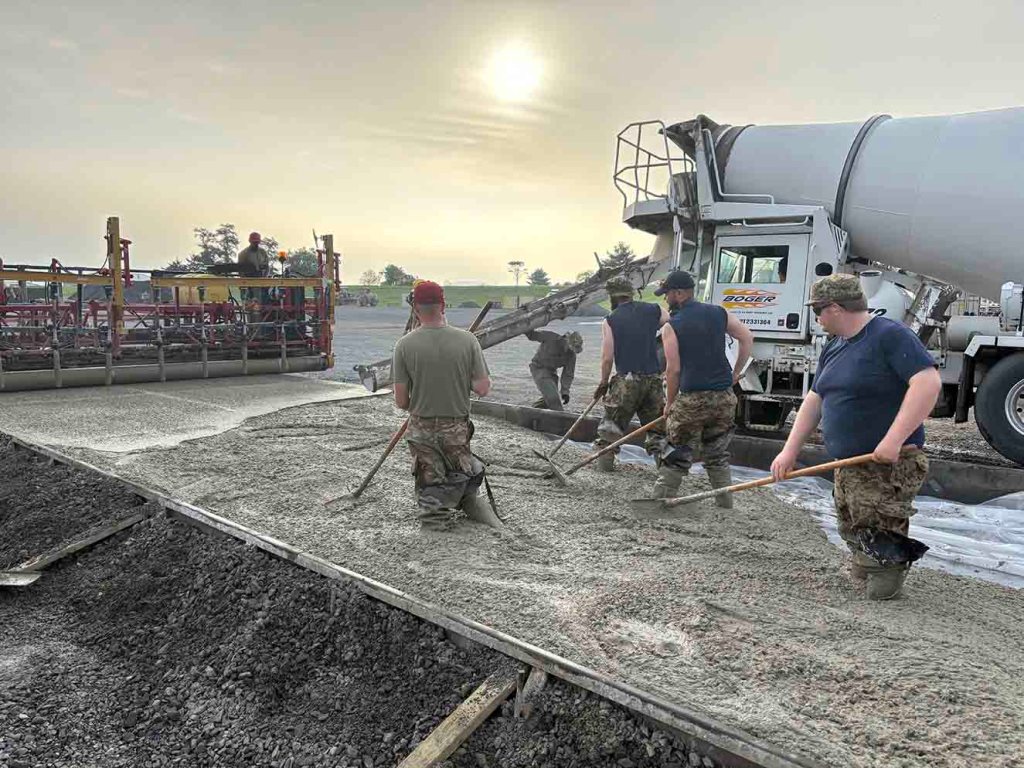
The Canadian team contributed to several key infrastructure projects, including the construction of a concrete Rapid Airfield Damage Repair (RADR) pad to be used for runway repair training, and a range tower for rifle training oversight. RADR highlights include cutting, levelling, grading and compacting 20,250 square feet; laying 1,540 feet – and removing 1,040 feet – of metal forms, plus staking 616 pins for the forms; and pouring 685 cubic yards of concrete. The range tower was a 16 foot by 16 foot by 19 foot structure, with 722 square feet each of roof decking, waterproofing and metal roofing, 142 square feet of wood forms, 10 yards of poured concrete for footers, mudding and taping 72 linear feet of drywall; communications wiring and a triad lighting protection system.
Working seamlessly alongside their American counterparts, the 201st Red Horse Squadron, the team fostered strong camaraderie and created valuable cross-training opportunities across a variety of trades. The deployment underscored the importance of teamwork and leadership, especially under challenging conditions. Early mornings, high temperatures and demanding tasks, such as concrete pours, tested the team’s resilience and adaptability. Despite many participants not coming from a construction background, everyone embraced the learning experience and contributed meaningfully to the mission.
The collaboration was well-received by U.S. forces, who appreciated the dedication and effort shown by the Canadian contingent. While the work was physically demanding, particularly in the summer heat, it proved to be both rewarding and enjoyable, thanks to the spirit of cooperation and shared purpose. Overall, the exercise was a resounding success, strengthening international ties and providing hands-on experience in large-scale engineering operations.