Agile Warrior tests ‘what ifs’ of work in emergency scenarios
While 14 Wing Greenwood carried on normal operations, 70 of its personnel spent September 21 to 25 working as if things were anything but.
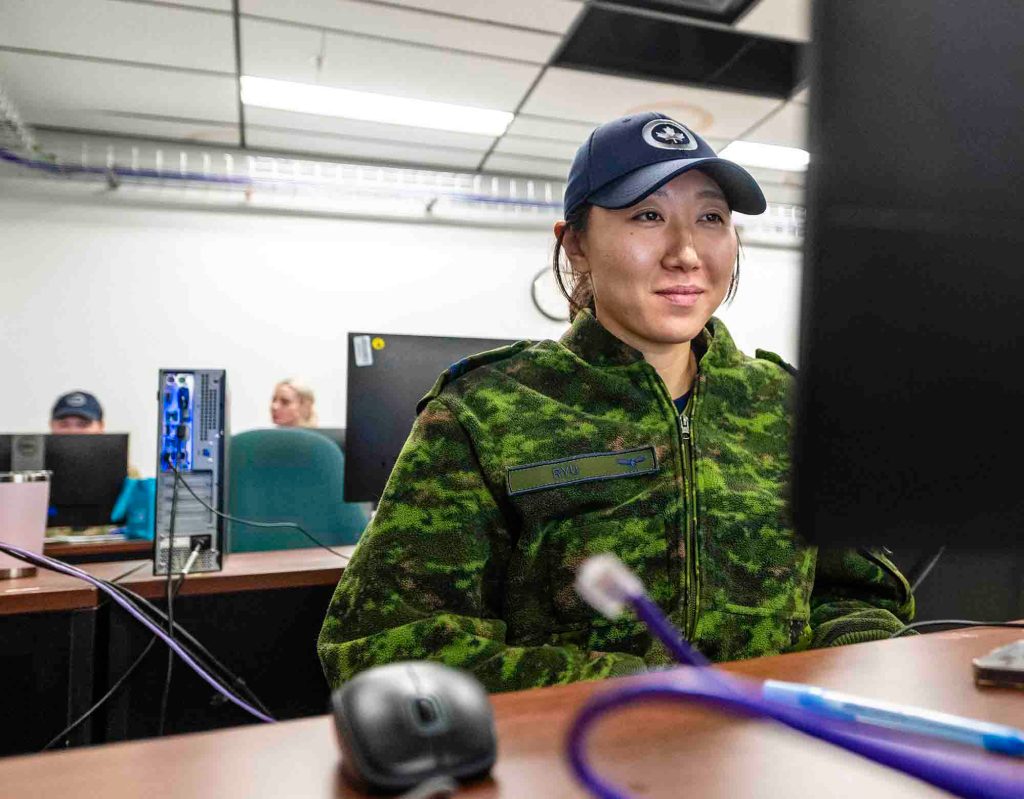
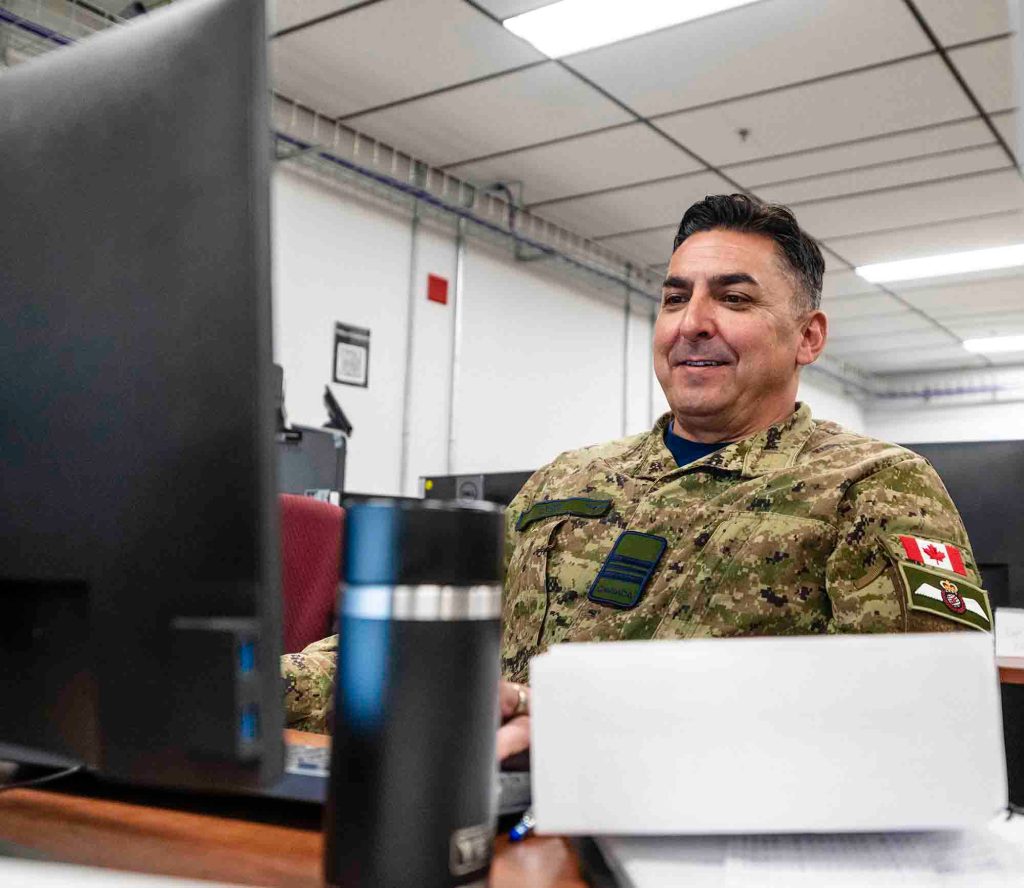
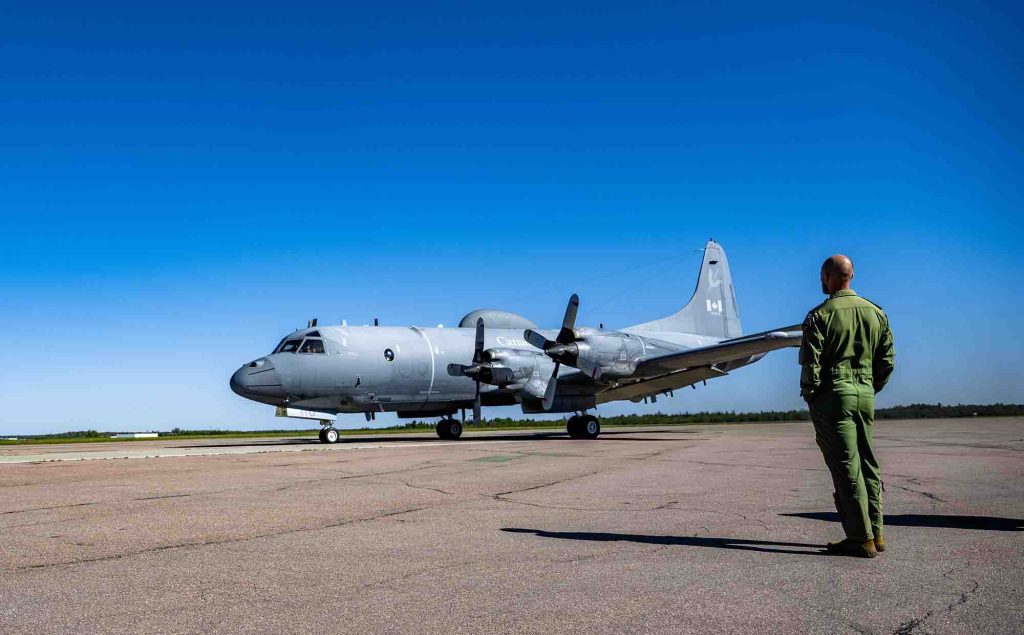
Exercise Agile Warrior moved dozens of personnel responsible for operations and planning, maintenance, communications, medical care, search and rescue, transport and more out of Greenwood – including aircraft; in the face of an unidentified “emergency.” A deployed headquarters was set up, with detachments set up at several Maritime airports.
“We’re planning for the possibility that this ever happens,” said 14 Wing’s 14 Mission Support Squadron Lieutenant-Colonel Shawn McGeown, the exercise’s commander. “The exercise is establishing what we can and can’t do; that we’re agile – and not just capable of fighting from our wing. Everywhere is a target, and we need to be prepared – for whatever happens, and to protect Canadians and Canadian interests.”
14 Wing is the third Royal Canadian Air Force wing to exercise the ACE model – “agile combat employment” – in the past year, under the eye of 2 (Air Expeditionary Training) Squadron. Several 2 AETS members helped 14 Wing get through the “crawl” phase, preparing for its Agile Warrior experience, from initial planning in April to reviewing lessons learned from initial runs at other bases; to this “walk” test in September. The “run” phase becomes actuality, with wings across the country able to react quickly when needed.
“Agility is essential,” said 2 AETS Lieutenant-Colonel Francois Gaudreault. “We know this from our lessons learned through current operations in Europe. Ultimately, all the best practices will be gathered from this exercise – and they won’t be the same for every wing; and we’ll see the RCAF eventually develop a common framework. We learn; we do something more effective; we see what the next base does – and Agile Warrior becomes more advanced, and more complex.”
McGeown and those deployed were kept on their toes through the week, as Gaudreault and his “enablers” watched, coached – and injected scenarios: an aircraft needs to leave Greenwood, move from airport to airport and avoid a potential threat; the deployed commander is ill; there’s a cyber element, with spam emails and communications to secure; the media calls and public affairs responses are required; there’s a fire in the headquarters, and the whole deployed team itself has to evacuate.
“The training aspect gives folks exposure to these types of conditions,” McGeown said. “Morale is high. We’re out of the office, thinking about things we don’t normally think about. 2 AETS is here to test our knowledge and ask, ‘have you thought of this?’”
A fast response at the wing level can – and has – happened: the 2025 Nova Scotia woods fires saw 14 Wing support civilian firefighting ground and air crews for weeks, and the 2025 closure of 5 Hangar saw dozens of personnel and their workspaces redistributed into makeshift spaces. McGeown said Agile Warrior, across the full RCAF, will help build interoperability – between the air force, Army, Navy and the “whole of government;” test mobility – of people, equipment and operations; and challenge sustainability: “how long can we do this and, when and if we bring people and aircraft back to a wing, it’s a seamless transition to normal operations.
“We need to be scalable, up or down, as situations dictate. The wings will always be driving this.”