Course highlights character development, empowerment
If, by the end of a three-day characteristics course, a quarter of the class have already searched how to become a course instructor, it might be a sign of the course’s value.
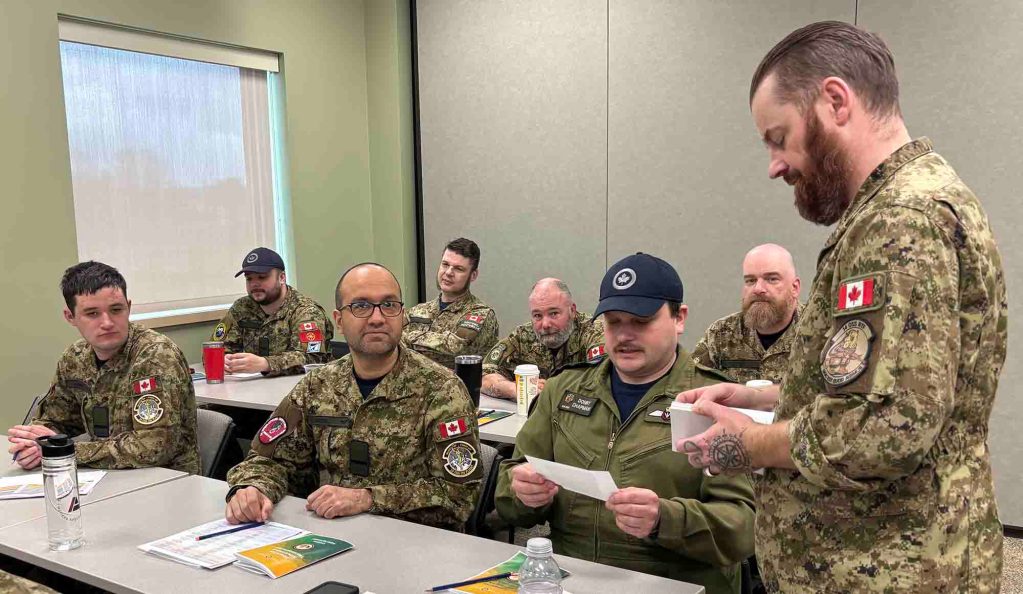
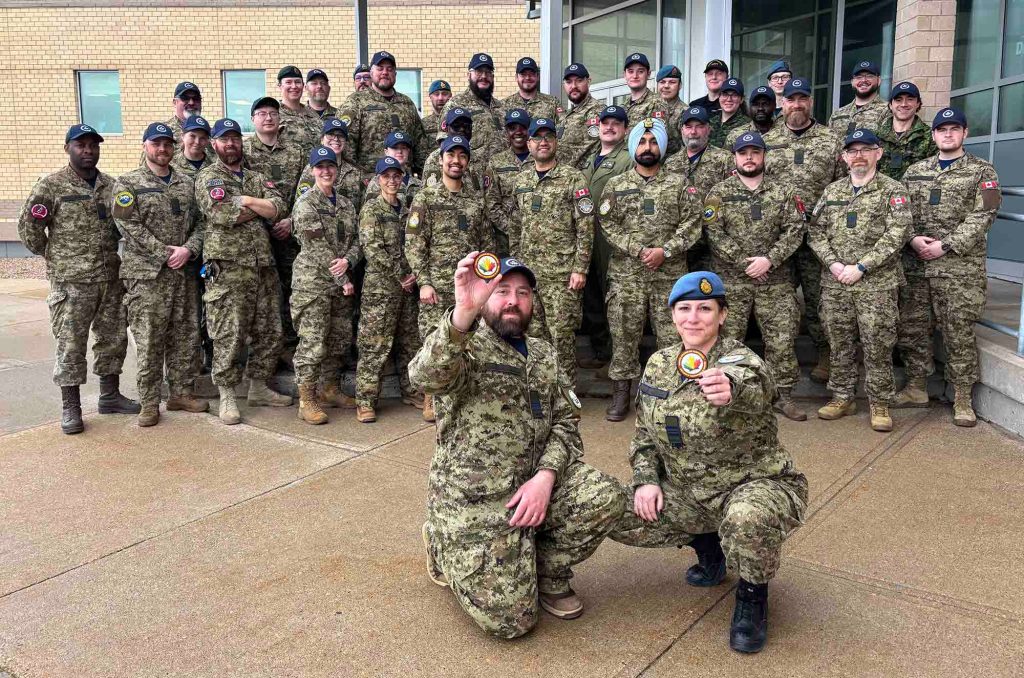
14 Wing Greenwood hosted the Character Application and Transformation Course, offered by RCAF W/C William G. Barker VC Aerospace College; April 21 to 23. From asking “What is the purpose of the RCAF?” in an opening module, to the 30 participants standing around a board of notes, culling ideas down to a consensus model of a culture built on trust and empowerment for all members; participants explored how individual and collective character attributes enable sustained operational effectiveness.
“I loved the course, believed in the material and wanted to bring it into wherever I’m posted or working,” said Major Melissa Bryan, who took the development course in 2024 and then qualified as an instructor herself. She first offered it at 14 Wing in 2025, and, with this April session, there were three 14 Wing-based instructors.
“We’re taking character-based development and leadership skills, and putting them into practice. We have aviators to majors to chiefs on this course, and some members might feel apprehensive; but it’s the nature of the course that encourages everyone to participate. You’ll see that: they all dive into the activities and participate, and the ending day is more fun than the beginning.”
Co-instructor Major David Genest said it’s been gratifying to see people learning, building relationships and seeing how others’ traits are potentially useful in their own work.
“If you want to go fast, you go alone; if you want to go far, you go with a team,” Genest said. “This course is meant to be vertical and lateral, through and through: how to build a team, be a part of a team and lead a team.”
What does a team look like for this course’s members? Their end-course exercise asked them, in three groups, to list characteristics that build trust and empowerment for all members. As a large group, they whittled down dozens to find common factors. That ranged from the lighter free food, work hour flexibility and bring your dog to work day; to the essentials: providing the right tools, resources and time for a task; recognizing initiative, backing members publicly – and doing any correction privately, setting clear standards and accountability checks, leading by example and being open to new ways of doing things.
“This gives you a good foundation to start your career,” said Aviator Faith Clarke. “This is one of the best courses I’ve been on, and it’s great to be taking it early.”
Chief Warrant Officer Drew Elliott said he enjoyed the group discussions, particularly the mixing of ranks, experiences, backgrounds and trades. Master Corporal Curtis Hardy appreciated the “rabbit hole” of a discussion around sharing vulnerabilities as a leader: “it made me think a lot – even of things outside work.”
Aviator Brianna Todd said she learned things that could helper her, as she looks ahead at her own opportunities to become a leader.
“People want change – but that’s not just waiting for people to go do it,” she said. “It’s important to have a Canadian Armed Forces that includes lots of relatable experiences.”