Lieutenant-Colonel Mark Norris is racing around 14 Hangar as his time with 413 (Transport and Rescue) Squadron draws to an end. He won’t see the projects filling his mind, squadron whiteboards, piled packing crates and new shelving, construction crews’ schedules, Tuskers’ travel and training schedules, or hiring and planning leads’ to-do lists finish; but he knows all of it puts 413 Squadron at the forward edge of even bigger change coming to 14 Wing Greenwood in the next few years.
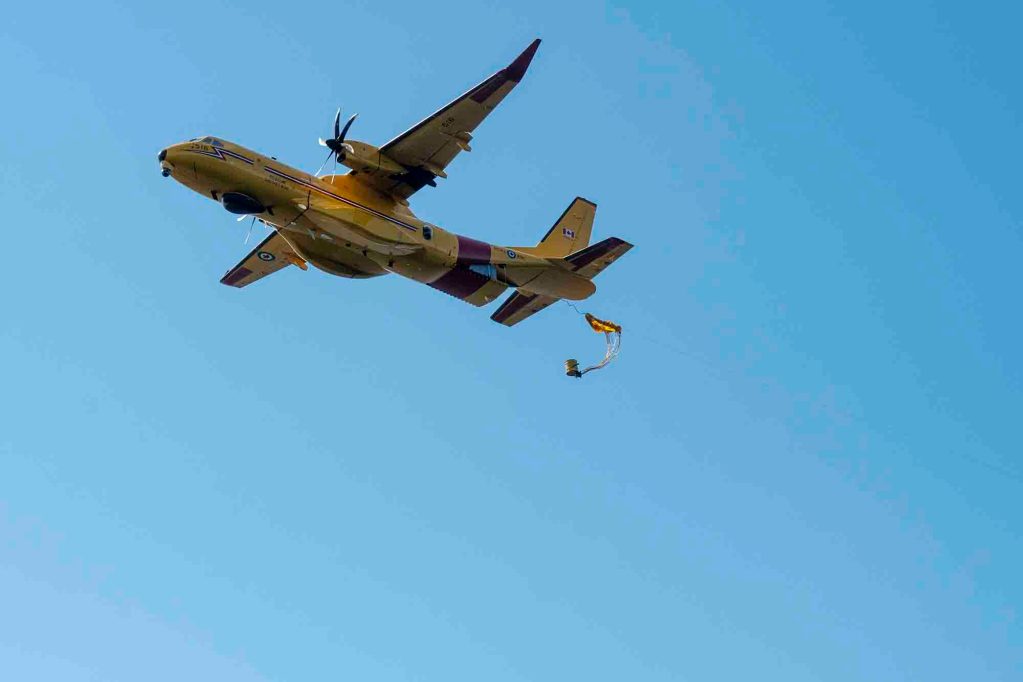
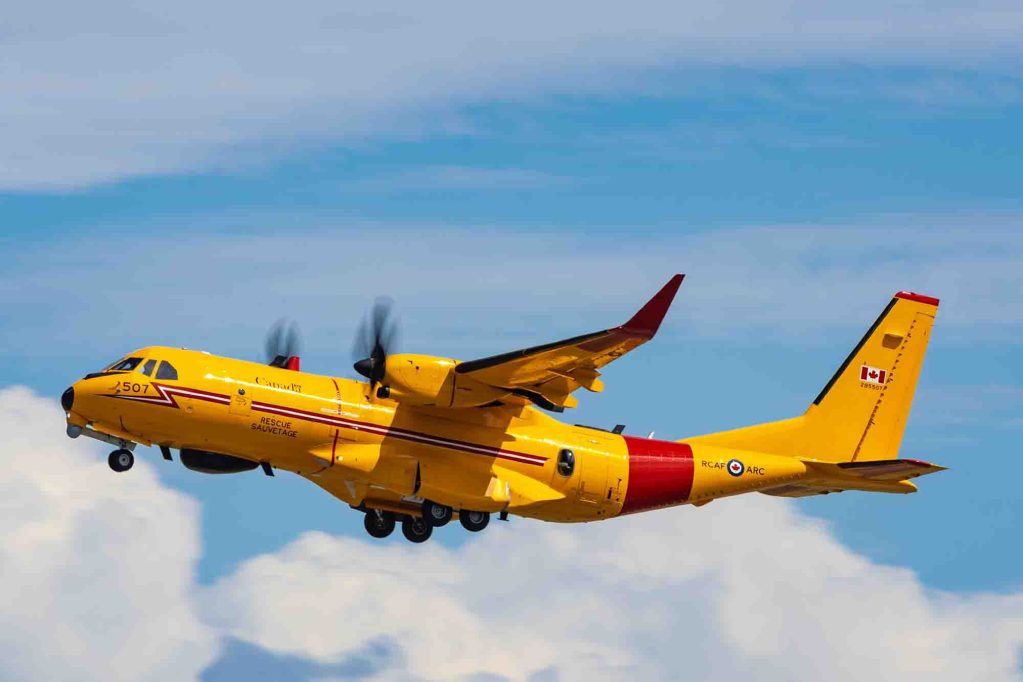
“RPAS (remotely piloted aircraft systems), the P8s, the upgraded Cormorants – but the ‘yellow plane’ is the first visual sign of all of it. We’re the advance guard,” Norris says.
Setting the squadron up for success
Eighty per cent of the equipment 413 Squadron will need to operate its first CC295 Kingfisher is piling up on new shelving in the hangar, steadily expanding over the past year as PAL Aerospace grows its footprint under the shadow of the outgoing CC130 Hercules.
“That’s a big muscle movement,” Norris says. “The team has to have all this set up and ready: the first shipment came in April, and it’s been non-stop – and not easy.”
People poring over computer inventories and wrenching storage racking together “doesn’t look like much, but they are what sets you up for success.”
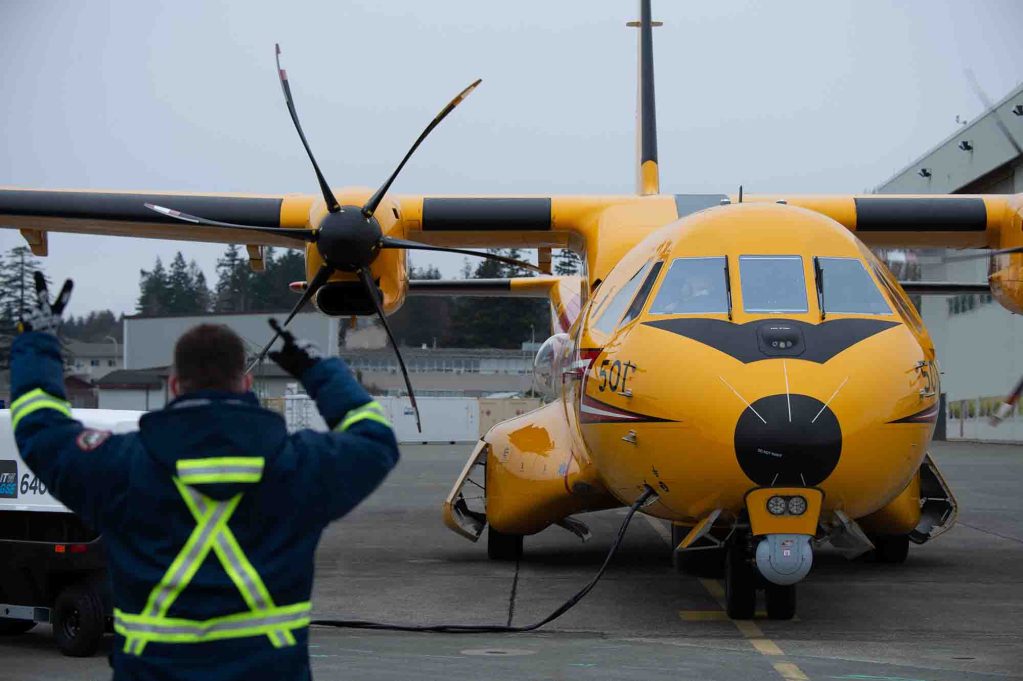
The biggest component for the Kingfishers’ care yet to arrive is a windshield seal check device. Several Kingfishers will live inside the hangar, with the first arriving in August.
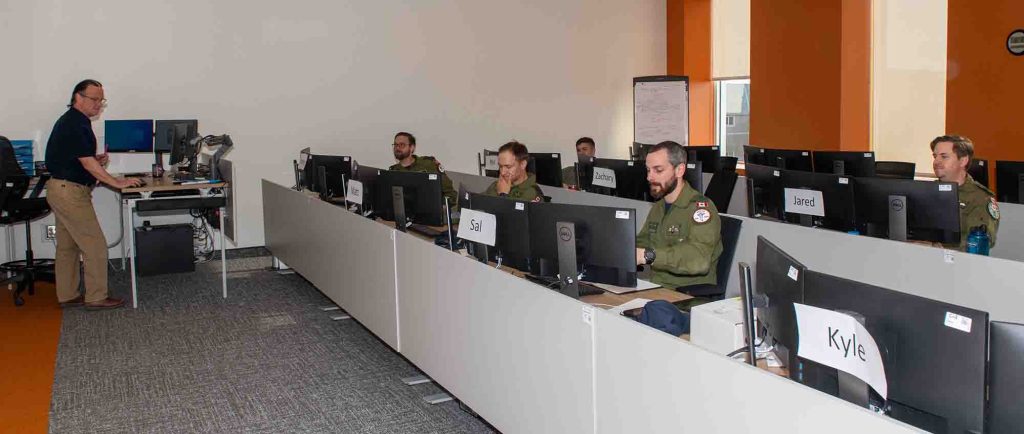
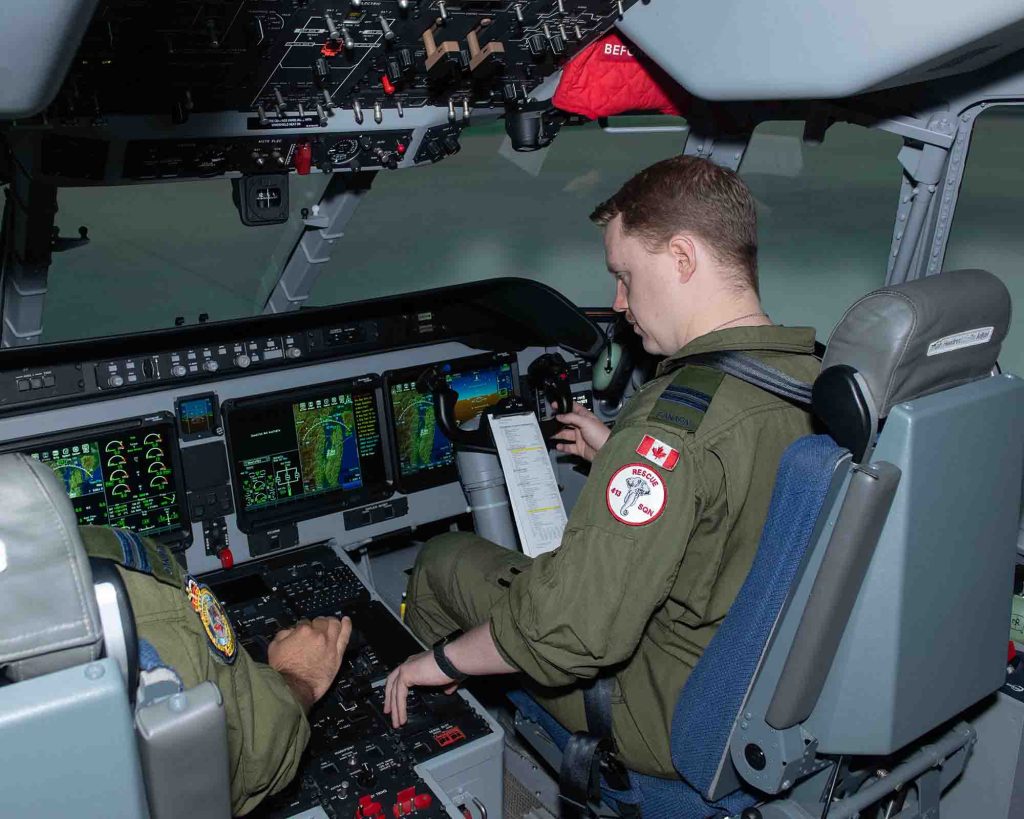
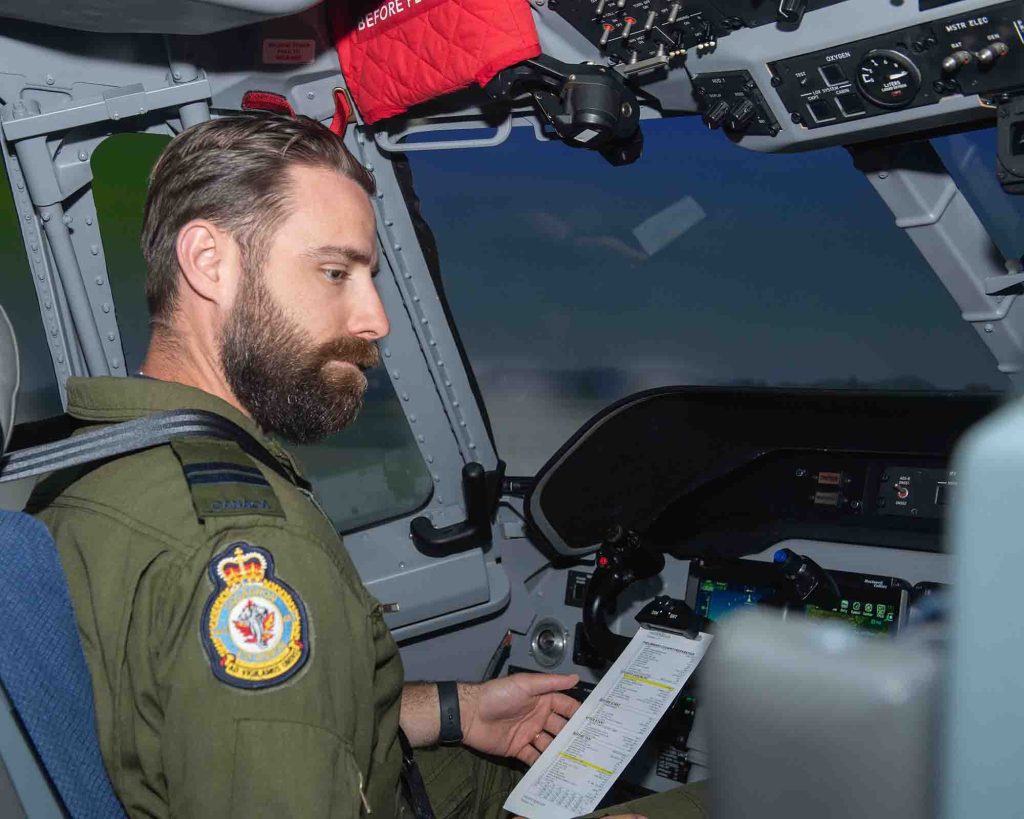
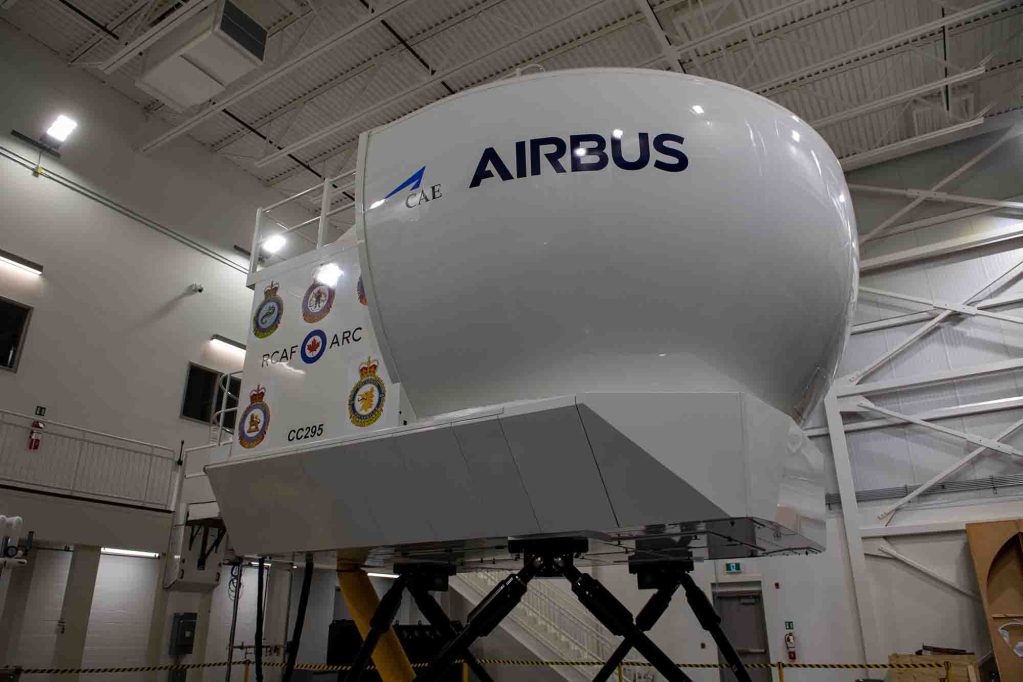
Which works out perfectly, as the first crew of 413’s military avionics systems and aviation systems technicians returned in May, after four months of technical conversion training at 19 Wing Comox. Comox has been operating its Kingfishers since the first of May; 16 of the aircraft will eventually land at four Canadian bases.
“We’re two months out from flying this aircraft here in Greenwood,” Norris says.
413 Squadron has been able to leverage several key factors to get to this point. They’re tracking the lessons learned as Comox brought the Kingfisher on. 413 technicians were carefully chosen for that first conversion course; now trained, they’ll safe-guard and share that knowledge with squadron peers until everyone is trained AND stay current on the Hercules until it ceases operations. 413’s last chief warrant officer, Steve Bates, and a past 14 Air Maintenance Squadron commanding officer, Brigadier-General (retired) Phil Garbutt, are among recent PAL hires, ensuring a trusted partnership from the very beginning. The squadron’s “gold standard” relationship with IMP Aerospace, on the CH149 Cormorant side of the hangar, sets a pattern for the best military/ contractor partnership.
“We have the best of both worlds and we need to maximize it all.”
The initial Kingfisher plan in Greenwood includes familiarization work on the ground and in the air, including test flights for distance and any Arctic operational differences. 413 will take the Kingfisher to the annual Fall ASAREX in the Azores, and then put it into SAR rotation through the lobster-fishing season off Nova Scotia. Two more weeks of validation in November and, come January 2026, the aircraft will be in full service.
“And, to be frank, having a yellow airplane here means a lot,” Norris says. “It’s branding – the airplane says ‘search and rescue – sauvetage’ is coming when we’re flying over fishing boats.”
Massive effort
All of this prep has come with demands on 413 Squadron.
“Comox had years to prepare and get ready, from purchase to training to operations. We’ve had eight months. The techs who’ve been away from their families for four months; we’re then short-staffed here – that’s been tough on both sides, but our team has been so good, and we’re meeting our mandate.”
A second crew of techs soon finishes in Comox, and a third rotation goes in July. Hangar planning has been key, from settling in PAL to continuing Hercules under-cover maintenance to figuring out how the Kingfishers will all best fit: lower to the ground, they take up more space, with less room underwing to set up maintenance benches and tool boxes. And, there is always the unknown: will the Kingfisher match up to the Hercules?
“A lot of people have concerns because it’s not the Herc, but it has some capabilities that make it better,” Norris says, highlighting the Kingfishers’ “eye-wateringly good” sensors and the expected boost in serviceability as a new platform.
“People are our strength, and we’re already seeing a level of expertise and professionalism as people are trained.”
Norris also points to the support of 14 Wing squadron peers, all watching the pace of work at 413.
“‘Operate as One’ has always been the model at 14 Wing, and the support from the wing – everyone understands, and there have already been a lot of little changes around the whole wing, just because of what’s happening here. Life is changing in Greenwood.”
‘Living history’ in the Herc
“And then there is the sundown of the Hercules at 413 Squadron,” Norris says. “There are special airplanes – and then there’s the Herc. So far, it has served over 60 years and it’s been in Greenwood since 1991. There are special connections to the people that operate it; the local community seeing it flying; all the people who’ve gone on deployments on that aircraft….”
Norris rattles off instances when 413’s Herc was the difference-maker: responding to the October 1991 crash of a peer Herc in Nunavut, on its way to CFS Alert as the resupply Operation BOXTOP 22; the 2003 United Nation’s Operation CARAVAN airlift to the Democratic Republic of Congo, Operation HESTIA, the 2010 cargo-relay to Haiti, after a catastrophic earthquake.
“Operation PALLADIUM in Yugoslavia, flying troops and equipment to Afghanistan, transport for the CP140 Aurora community, ‘duck butt’ coverage for fighters over the ocean, countless operations, service and search and rescue flights in Canada. Hundreds – maybe thousands – of Canadians owe their lives to the Herc…. The Hercules is living history here in Greenwood, a game-changer, and it will be sad to see it go.
“There are a handful of folks in Greenwood who will career end with this, and we’ll celebrate that, too.”
Maintaining ‘people’ connection
Norris leaves 413 Squadron with a July 18 change of command ceremony. If he had a home in the Canadian military, it’s here in Greenwood – and it’s with 413 Squadron, where he’s spent 10 years.
“2026 will be all about establishing and maximizing the Kingfisher, and I’ll miss it all. That’s sad. But, it’s exciting. It’s been a massive effort. The biggest lesson we’ve learned has been to maintain the relationships, that incredible human connection, between our people – military, contractors, other units on the wing. There’s big change coming.
“In the meantime, we have to keep flying for Canadians who depend on us.”