Arctic visit highlights ‘powerful and meaningful thing we are dedicated to every day’
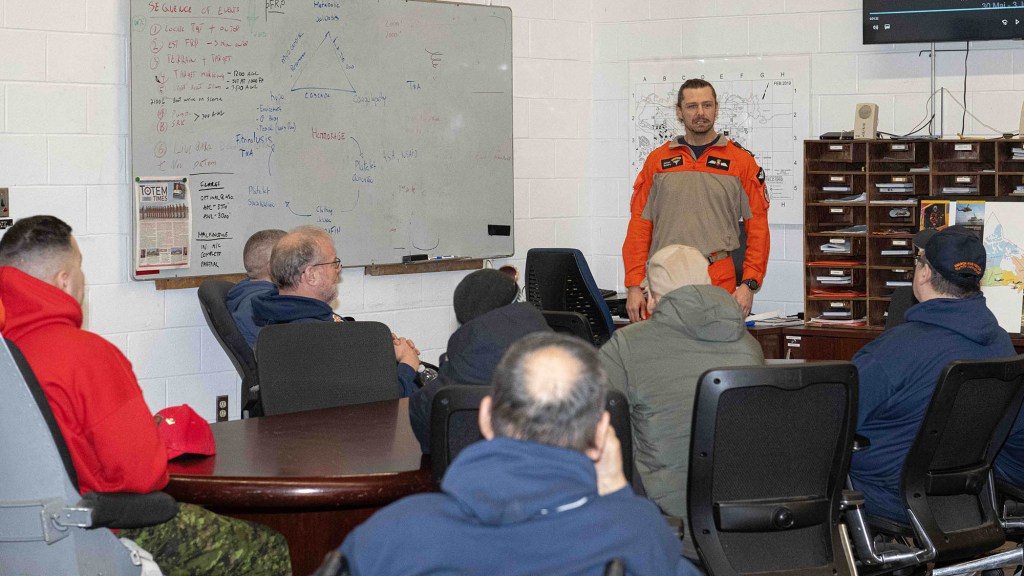
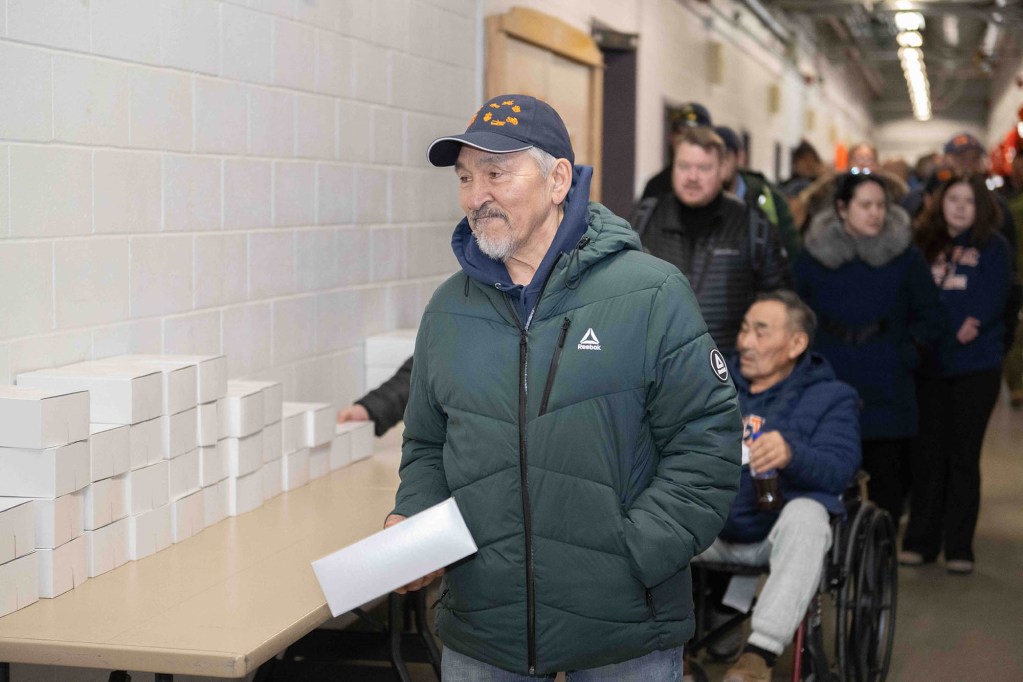
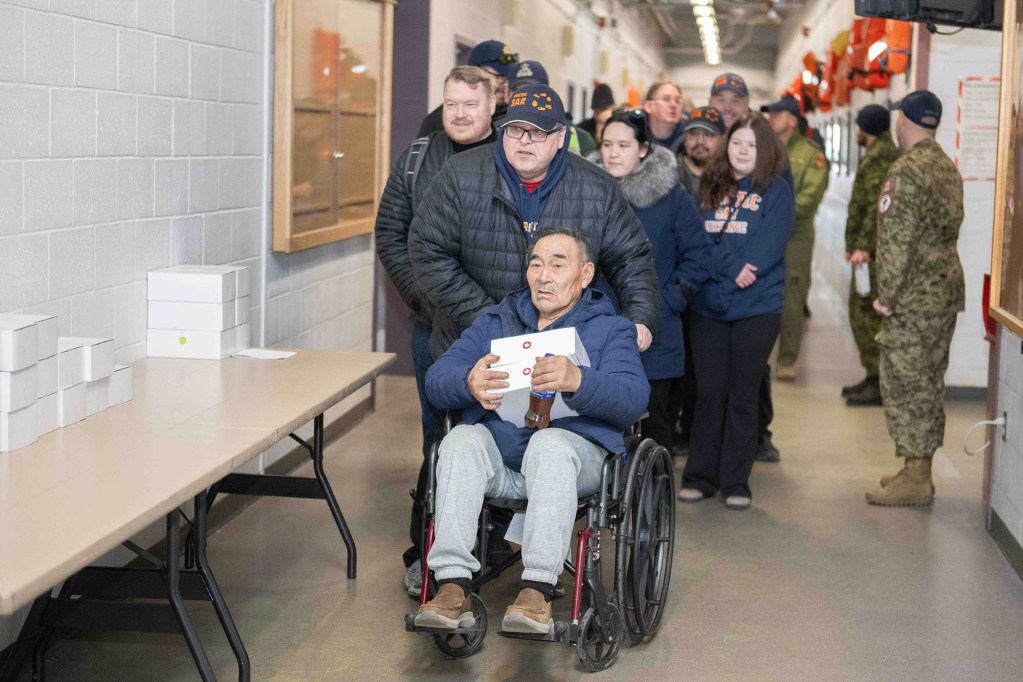
Master Corporal Neil Kigutaq, 2IC of the Canadian Rangers in Iqaluit, getting up to stretch his legs; shook the hands of 413 (Transport and Rescue) Squadron members ringing the back of the room. Several members of the 60-person “Nunavut, Nunavik and Nerds” Arctic search and rescue roundtable contingent covered yawns and kicked off heavy winter boots, following a 3 a.m. arrival in Halifax from their Northern homes. Inuit languages conversations dominated the coffee station, but everyone was making connections, Canadian North and Canadian south.
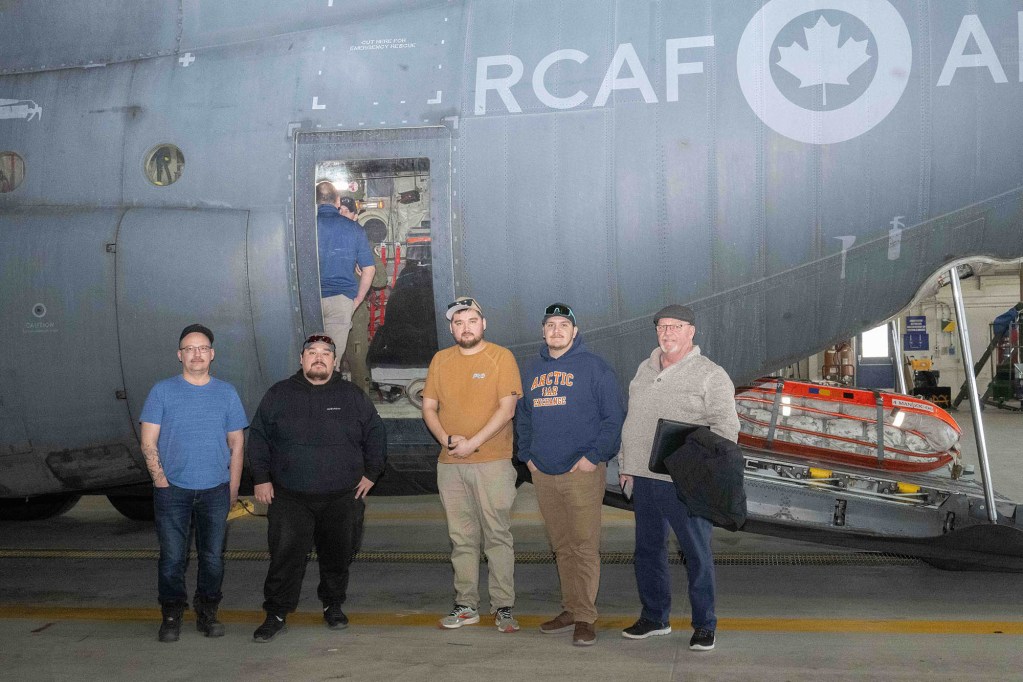
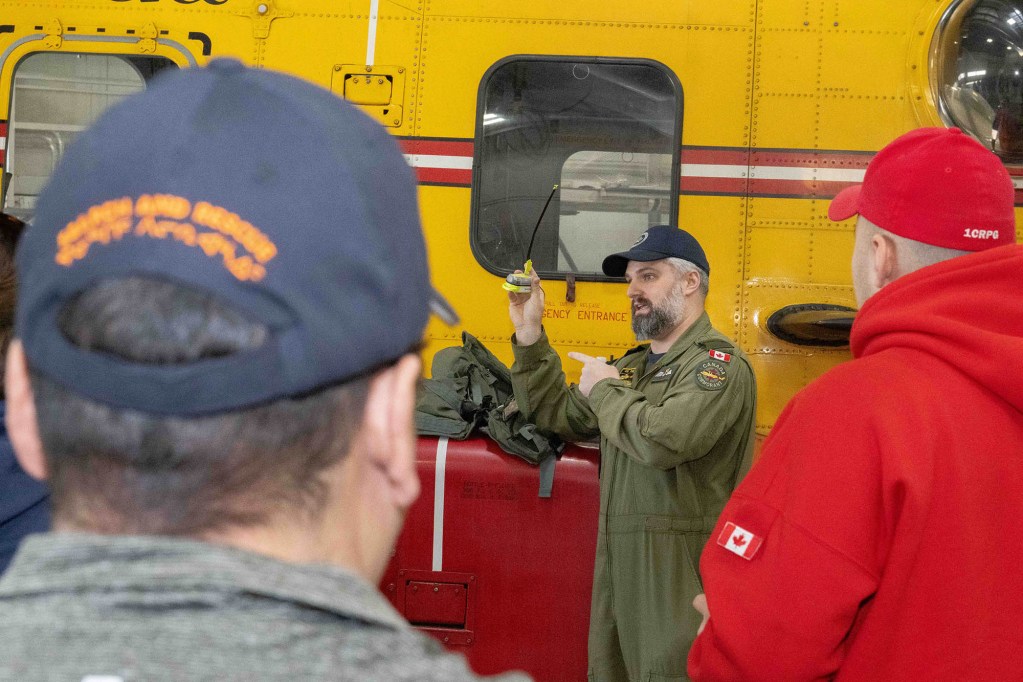
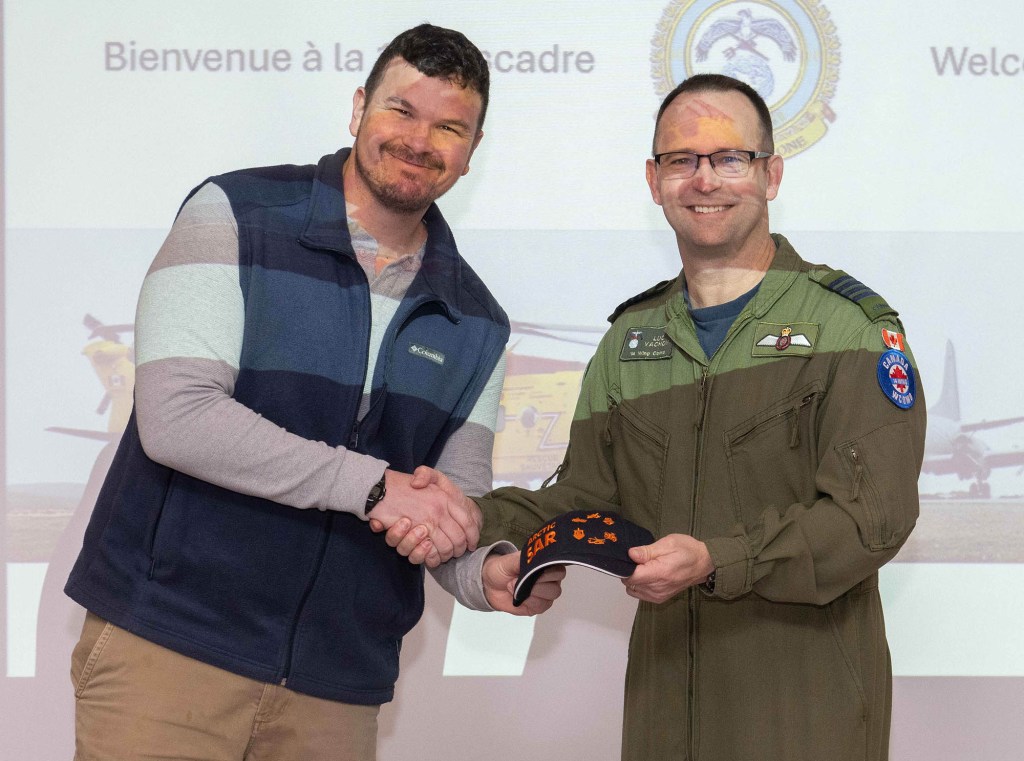
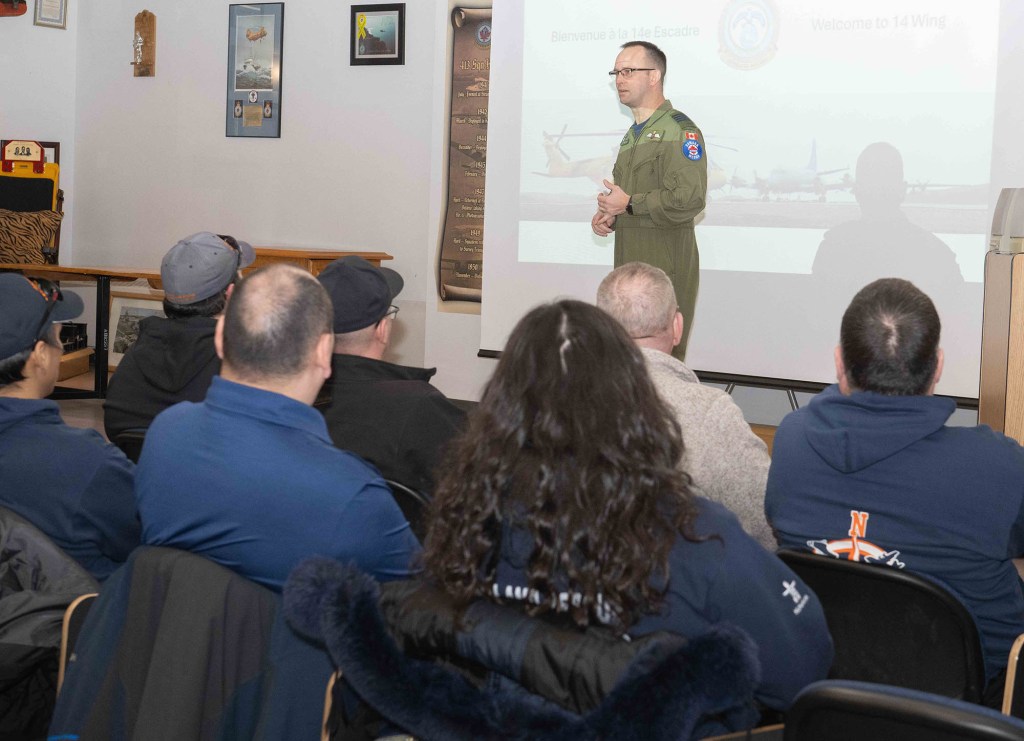
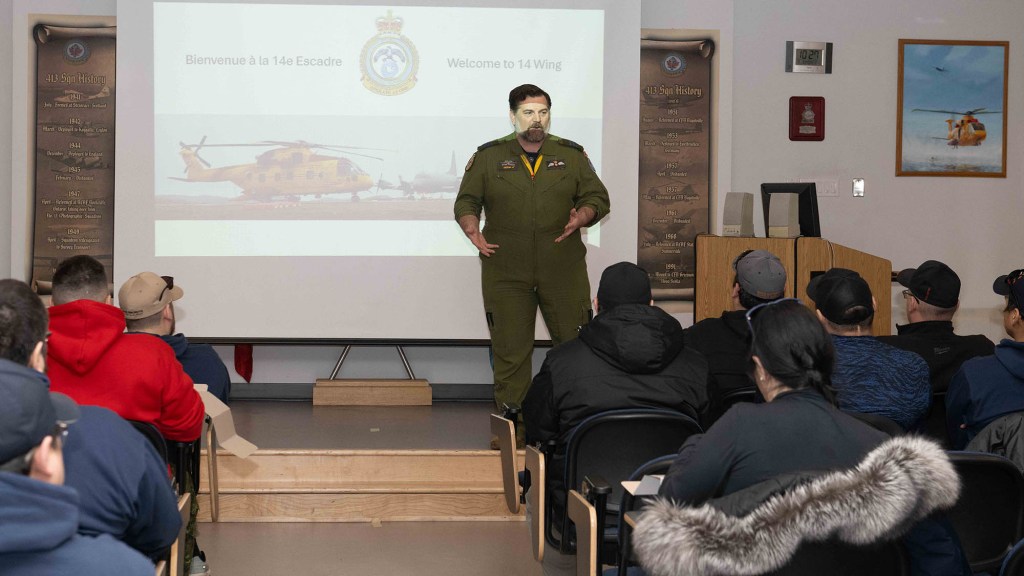
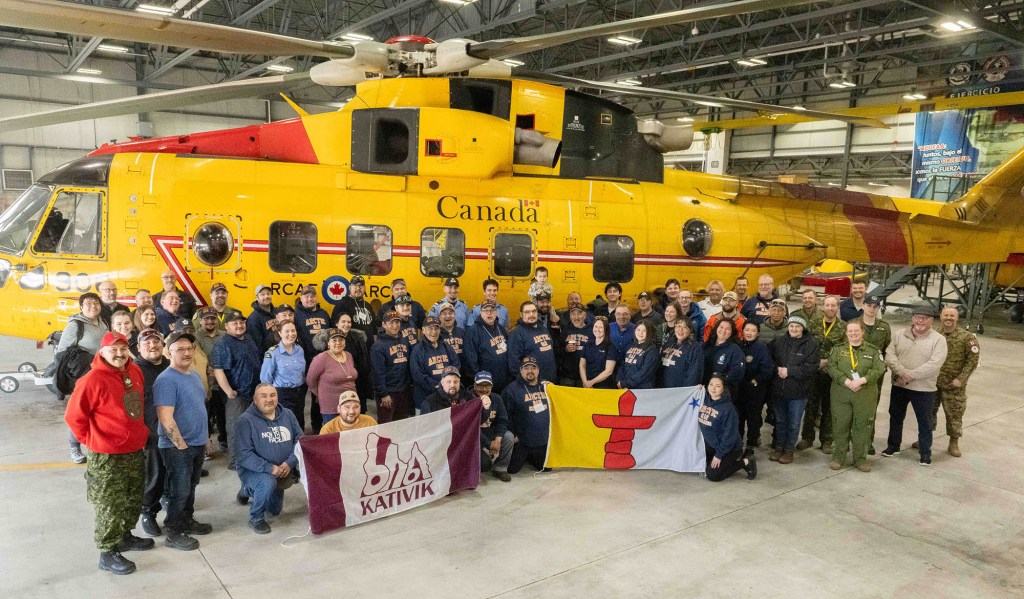
“Thank you so much for coming,” said 413 Squadron Lieutenant-Colonel Mark Norris, welcoming the March 10 visit of individuals and communities (mostly from the “Nunavut and Nunavik” groups), agencies, academics and research institutions (the “Nerds”) involved with the Nunavut-Nunavik SAR Project to 14 Wing Greenwood.
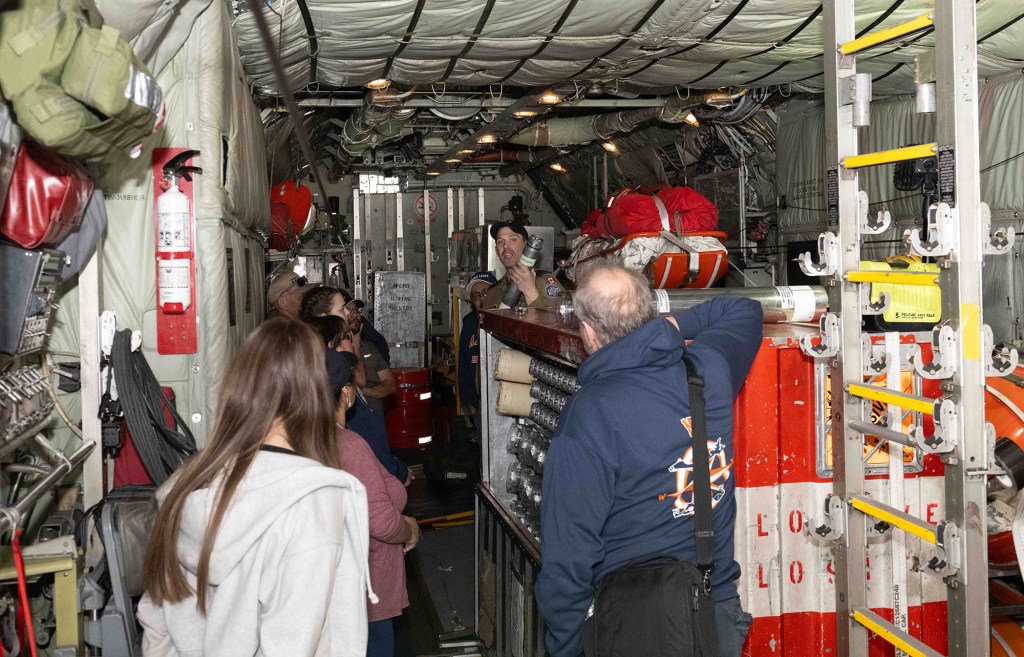
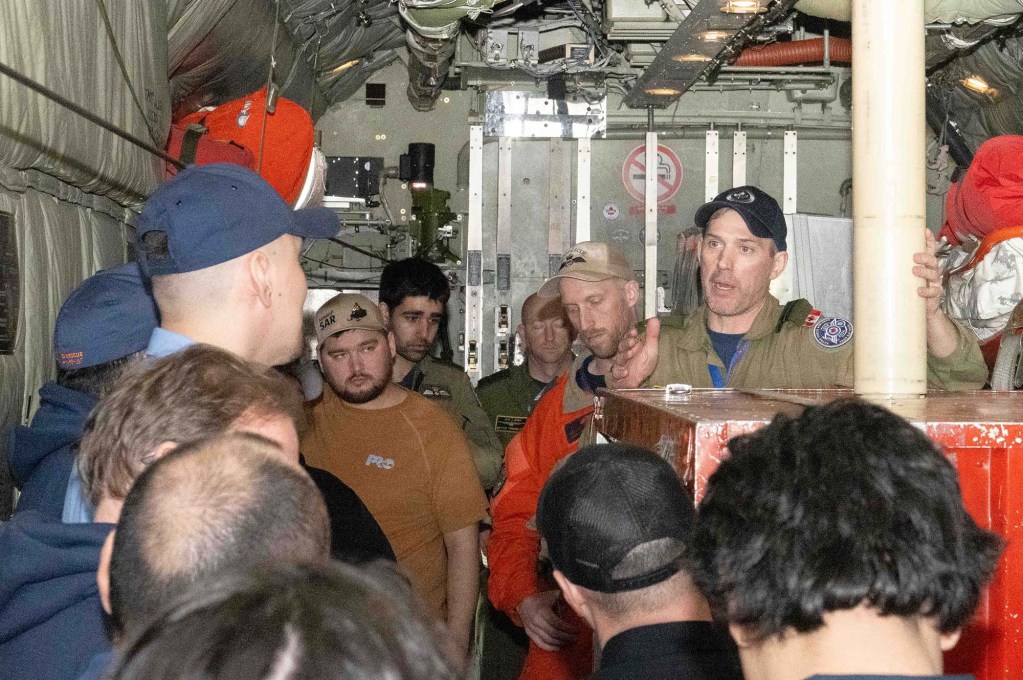
“Anytime we’re in your communities, come and say ‘hi’ – we love meeting you, and we wish we could go everywhere in the North. Today is like getting 20 years of visits done to your communities. It’s an honour for us to have you here. Take pictures, kick the tires and look at our equipment, talk to our people.
“I wish we could all leave here best friends, one-on-one, with a stronger bond.”
That bond is the idea behind the second visit of Arctic SAR roundtable participants to a Canadian Armed Forces search and rescue unit. In 2023, the group was hosted by 424 (Transport and Rescue) Squadron in Trenton. This East Coast visit also included stops at the Joint Rescue Coordination Centre and Coast Guard offices in Halifax, and a day of focus sessions.
St. FX University’s Dr. Peter Kikkert studies safety, security and sovereignty issues in polar regions, and is the academic lead for the Kitikmeot and Nunavut SAR Projects and the Nunavik Roundtable on SAR. He challenges roundtable and SAR communities’ members to “operate at the speed of trust.” In Greenwood, he encouraged 413 Squadron members to take advantage of the Northern knowledge visitors brought.
“We have a fellow here who has been doing Northern SAR since the 1960s. We have another – he’s the best map-maker I know. Another – he coordinated 60-plus searches last year. There is a lot of knowledge to tap into here. Don’t be shy! Here – you should hear Michael’s story!”
17 Ranger Patrol, 2 CPRG, Patrol Sergeant Michael Cameron, wears many hats in Salliut, the second most northern community in Quebec. November 9, 2023, he was manning a SAR station as his nephew and his son headed out fishing.
“I got a call from Apple dispatch in Texas of an incident on the water, two individuals and a boat taking on water – I knew it was my nephew and his son right away,” Cameron said. His SAR staff’s boat faced massive waves out of the harbour.
“It was family – we were going to go.”
A military Hercules was on the way, but the “dumbest thing I did,” Cameron said, “was keep going. We were chipping ice off the boat; we had to turn back. The hardest thing we had to do.”
Into the wee hours, Cameron and the SAR team heard the Hercules fly overhead, on its way to the search scene.
“Reassuring.”
On the scene, Cameron’s nephew and his son had managed a 150-metre swim to shore. With freezing clothing, no shelter and no supplies, the father wrapped himself around his son.
“The Hercules called and said it was heading back south to refuel, and we asked for one more circuit. They did it, and my nephew and his son are still alive today because of that: the son was alert enough he heard the Hercules fly over, he shook alert his Dad and the aircrew saw them.
“Any of you in green and orange: your work does matter. That one little extra bit: that was their hope. Don’t give up hope. Give that hope for the individuals lost or in danger.”
Norris thanked Cameron for sharing the personal connections between subjects of a search and the searchers themselves, and the importance of the relationship between partners.
“We hear many stories like yours,” Norris said, calling the relationships and coordination – the “system of systems” – between all SAR partners the “secret sauce” of making search and rescue work. “We understand the urgency and what’s at stake, and we move as quickly as possible. We’re in uniform, but we’re Canadians, working for Canadians every day – like you do. 413 Squadron may be at the top of the heap with assets, but you are all part of the system, the layered approach that supports each other; a powerful and meaningful thing we are dedicated to every day.”