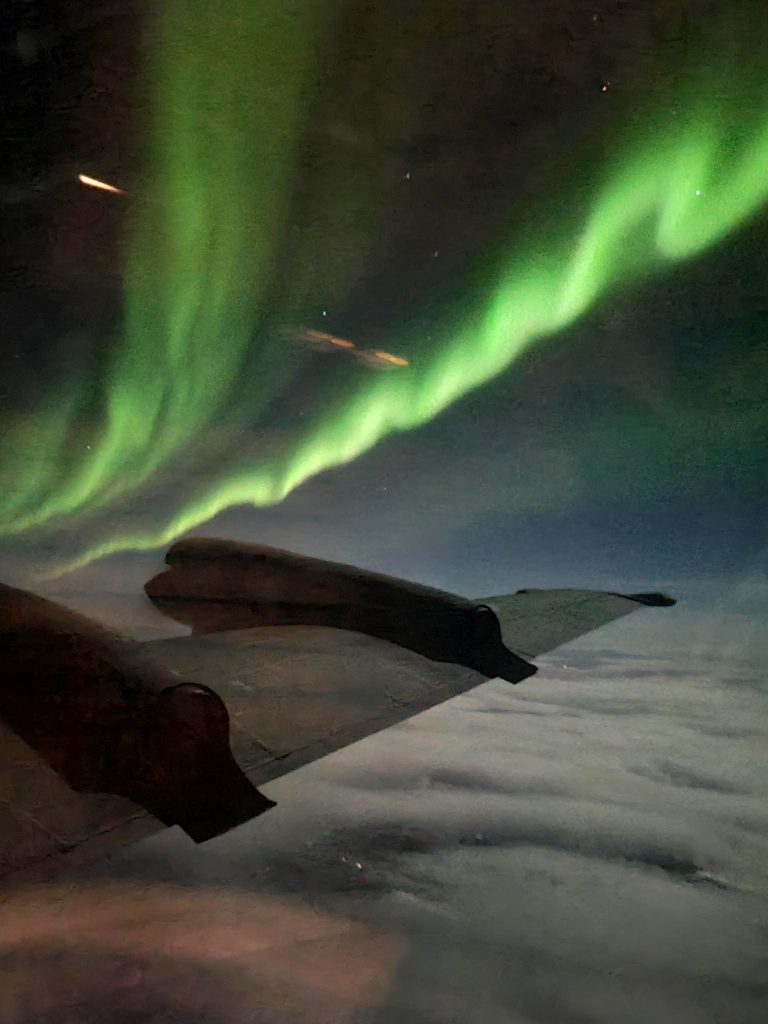
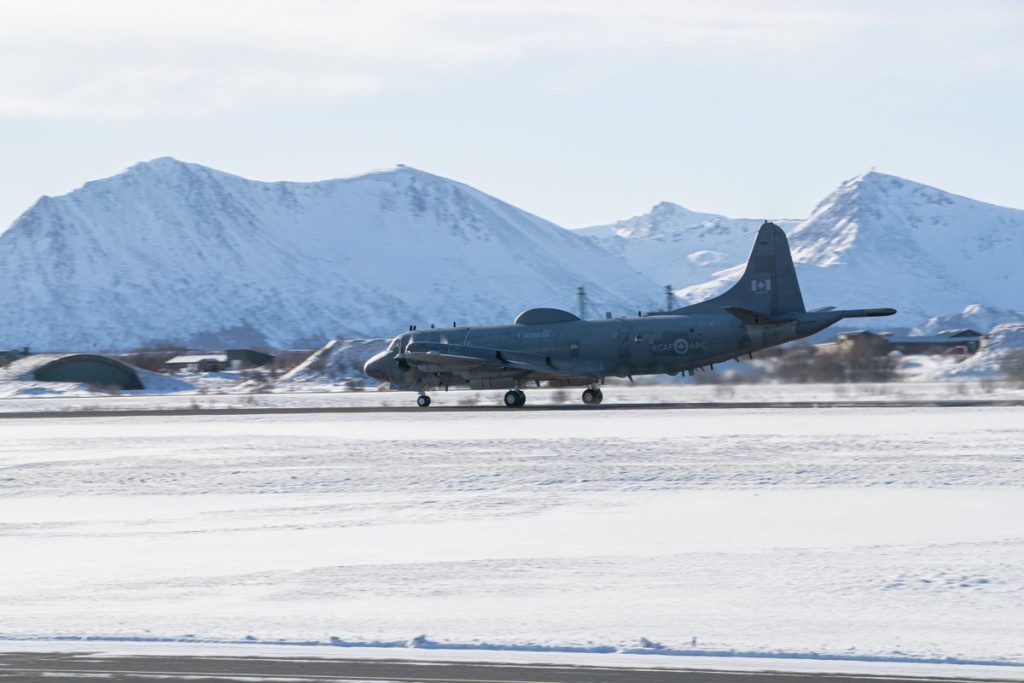
14 Wing Greenwood, the East Coast arm of the Royal Canadian Air Force’s long range patrol fleet, once again demonstrated its capability and effectiveness to NATO allies during the biannual anti-submarine warfare (ASW) Exercise Joint Warrior, held near Andøya, Norway, March 4 to 16.
Joint Warrior 23-1 was built as the maritime component of a large coalition exercise in the high north. The main body of the exercise travelled north from the North Sea to the northern part of Norway via the Norwegian Sea. The Canadian detachment consisted of over 60 personnel from five different units at 14 Wing: 405 (Long Range Patrol) Squadron, Long Range Patrol Standards and Evaluation, 14 Air Maintenance Squadron, 14 Operations Support Squadron and 14 Mission Support Squadron.
The exercise included aircraft from four NATO nations, submarines from three nations, and surface ships from five NATO nations in a rapidly changing, highly dynamic and complex simulated warfare environment. The detachment battled the harsh conditions of a Norwegian winter and flew a total of eight missions, totalling 43 flight hours on-station, towards the exercise against both surface and subsurface targets from France, Norway, Germany, the United States and the United Kingdom. The Aurora and its crew once again proved its capability and effectiveness to our allies as an airborne asset in both ASW and anti-surface warfare.
The aircrews performed spectacularly in both the ASW and anti-surface aspects of operations, tracking submarines and demonstrating their flexibility in being retasked to monitor, identify, photograph and provide valuable intelligence on surface vessels.
The aircraft maintainers had the most difficult job, battling the harsh climate and often brutal conditions, working around the clock to ensure the Block IV CP140 Aurora was in top fighting form for the aircrews to employ. Only a single mission was lost due to aircraft serviceability.
Exercise Joint Warrior is a biannual NATO exercise conducted in the North Sea with other nations, flying out of Iceland and the United Kingdom. The Canadian objective is to refine the RCAF’s interoperability in scenarios with submarines, surface vessels and other aircraft from participating nations and operate as a combined joint task force, as well as continue to foster positive relations with the host nation and allies. NATO Maritime Command conducts these exercises to improve the alliance’s situational awareness and competency, always preparing for any threat that may present.